Optimizing Material Handling: A Comprehensive Comparison of Bucket Elevators and Other Conveying Systems
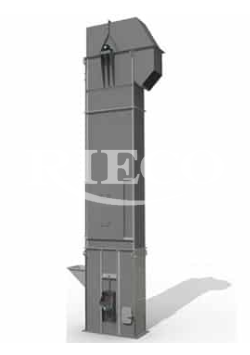
In the realm of material handling, choosing the right conveying system is crucial for efficient and seamless operations. Two popular choices, bucket elevators and conveyors, play pivotal roles in transporting materials across various industries. In this blog post, we'll delve into the comparison of these systems, examining their advantages, performance metrics, and the nuances that set them apart.
1. Understanding Material Handling Systems
Material handling systems form the backbone of industries, ensuring the smooth flow of goods and materials. These systems are diverse, ranging from traditional conveyors to modernized bucket elevators. Each system is designed for specific applications, impacting efficiency and operational dynamics.
2. Overview of Bucket Elevators
Bucket Elevator vs Conveyor: Key Differences and Applications
In the world of material transport, the choice between a bucket elevator and a conveyor is often a pivotal decision. While both serve the purpose of moving materials, they differ significantly in design and functionality. A bucket elevator employs buckets attached to a rotating belt or chain to lift materials vertically, making it suitable for applications where elevation changes are crucial. On the other hand, conveyors are versatile horizontal or inclined systems, suitable for continuous material flow.
Elevator vs Belt Conveyor: Performance Factors and Efficiency Considerations
Comparing elevators and belt conveyors involves considering performance factors and efficiency metrics. Bucket elevators excel in vertical transport, minimizing product degradation and spillage. They prove advantageous for delicate materials. Belt conveyors, with their horizontal and inclined configurations, offer high throughput and adaptability, making them suitable for diverse industries.
Conveyor Types Overview: Understanding the Pros and Cons
A comprehensive comparison must include an overview of conveyor types. From roller conveyors to belt conveyors and screw conveyors, each type has unique characteristics. Roller conveyors are efficient for handling heavy loads, while screw conveyors prove beneficial for materials with poor flowability.
3. Contrasting with Screw Conveyors
Elevator vs Screw Conveyor: Advantages and Disadvantages
A significant contrast arises when comparing bucket elevators with screw conveyors. Bucket elevators excel in vertical transport, prioritizing gentle handling of materials. In contrast, screw conveyors are optimal for horizontal transport, ideal for materials with good flow characteristics. The choice depends on the material's nature and the specific requirements of the application.
Screw Conveyor Advantages: Use Cases and Material Compatibility
Understanding the advantages of screw conveyors is essential. Their versatility and adaptability make them suitable for various applications. Screw conveyors handle materials with ease, especially those with poor flow characteristics, ensuring a steady and controlled flow.
4. Elevator vs Auger: Analyzing Material Handling Characteristics
Elevator vs Auger: Material Handling Nuances
When considering bucket elevators against augers, the focus shifts to material handling characteristics. Bucket elevators are excellent for lifting materials vertically, maintaining their integrity during transport. Augers, with their helical blades, are adept at handling granular and semi-solid materials, providing a continuous flow.
Auger vs Bucket Elevator: Efficiency and Throughput Considerations
Efficiency and throughput play pivotal roles in material handling. Augers exhibit high throughput for certain materials, while bucket elevators ensure the preservation of material quality during vertical transport. The choice between the two depends on the specific material, application, and the desired handling characteristics.
5. Performance and Efficiency Analysis
Bucket Elevator Efficiency: Factors Influencing Performance
Evaluating the efficiency of bucket elevators involves considering several factors. The design, bucket type, and speed contribute to the overall efficiency. Additionally, proper maintenance and monitoring ensure consistent performance, making bucket elevators a reliable choice for vertical material transport.
Material Handling System Analysis: Comparative Performance Metrics
A holistic analysis of material handling systems involves comparing performance metrics. Bucket elevators, conveyors, screw conveyors, and augers each have their strengths and weaknesses. Understanding these metrics is crucial for selecting the system that aligns with specific operational requirements.
Bucket Elevator Performance: Real-world Case Studies
Examining real-world case studies provides valuable insights into the performance of bucket elevators. Industries leveraging this system report enhanced efficiency, minimized material degradation, and increased reliability. These success stories underscore the benefits of tailored material handling solutions.
6. Conclusion
In conclusion, the choice between bucket elevators and other material handling systems depends on various factors such as material characteristics, required throughput, and application-specific needs. While bucket elevators excel in vertical transport, conveyors, screw conveyors, and augers offer unique advantages for horizontal or inclined material movement. By understanding the nuances of each system, industries can optimize their material handling processes for enhanced efficiency and productivity. The decision ultimately lies in selecting the system that best aligns with the specific demands of the operation.
Comments
Post a Comment